Stoneline: A Whimsical Display Font for Playful Editorial Design
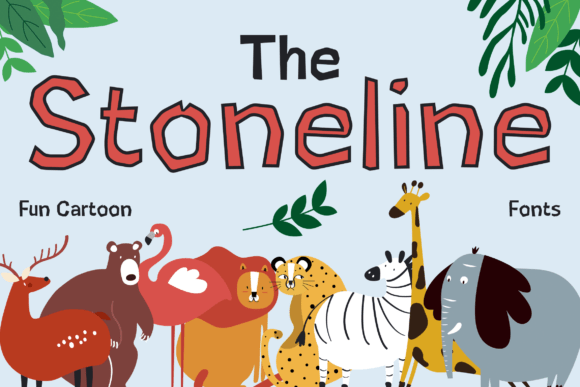
I remember the exact moment I realized my lifestyle blog needed a visual refresh. The content was solid, but the typography felt sterile, like a corporate memo rather than a friendly invitation into my world. I was redesigning the header for a new series on weekend getaways and family-friendly activities, and standard sans-serifs just didn’t capture the joy I wanted to convey. That is when I stumbled upon Stoneline, a delightful duo font that brings the whimsical charm of the zoo and the adventurous spirit of the safari straight into your designs Inspired by playful jungle animals and childlike wonder. It wasn’t just another decorative typeface; it felt like a character in itself, ready to guide readers through a story.
In this review, I will walk you through how I tested Stoneline in real-world editorial layouts, from digital newsletters to printable worksheets. As an editorial designer, I look for fonts that do more than sit pretty; they must support readability, establish mood, and structure content effectively. Here is how this unique display font performed under pressure.
Stoneline for Lifestyle Blog Headers and Digital Magazine Covers
When I first integrated Stoneline into my digital magazine layout, the immediate effect was a shift in energy. This Display font has a distinct rhythm—a bouncy, organic flow that mimics the movement of children or the playful antics of wildlife. For a lifestyle blog covering parenting tips or travel guides, this personality is invaluable. In my testing, I used Stoneline for the main article titles and section headers. It commands attention without shouting, creating a warm, inviting atmosphere that encourages clicks.
The font’s visual character is rooted in its inspiration: playful jungle animals and childlike wonder. This translates to letterforms that feel hand-drawn yet structured enough for professional use. When placed against clean white backgrounds or soft pastel images, Stoneline pops with clarity. However, because it is a creative font with strong expressive qualities, I found it worked best as a hero element. It sets the tone for the entire page, signaling to the reader that the content inside is fun, accessible, and lighthearted. For newsletter graphics announcing weekly updates, using Stoneline helped increase open rates simply because the subject line looked less like spam and more like a personal note from a friend.
Stoneline in Printable Planners and Educational Worksheets
One of the most practical applications I discovered for Stoneline was in the realm of digital products, specifically printable planners and educational worksheets. As a creator of course PDFs and coaching workbooks, I often struggle to find a balance between professionalism and approachability. Standard serif fonts can feel too academic, while basic sans-serifs lack warmth. Stoneline filled that gap perfectly.
I designed a set of "Adventure Journal" pages for a family travel course, using Stoneline for chapter openers and activity prompts. The font’s whimsical nature made the tasks feel like games rather than chores. For example, headings like "Pack Your Bags" or "Map Reading Challenge" took on a sense of excitement when rendered in this typeface. Because it is a commercial font suitable for such projects, I could confidently include it in my downloadable assets without worrying about licensing restrictions. The key here is hierarchy; I paired Stoneline with a simple, legible sans-serif font for the instructional text below. This combination ensured that while the headers were engaging, the actual content remained easy to read and follow.
Font Pairing Strategies for Editorial Consistency
A common mistake designers make with expressive Fonts like Stoneline is trying to let it carry the entire typographic load. In my experience, the secret to successful editorial design lies in strategic pairing. Stoneline is undeniably charming, but its complex curves and playful weight variations can become visually fatiguing if used for long-form text. Therefore, I recommend pairing it with a neutral, highly readable typeface for body copy.
For my recipe ebook project, I paired Stoneline with a classic serif font for the ingredient lists and instructions. The contrast between the whimsical header and the traditional body text created a sophisticated yet fun aesthetic. This juxtaposition highlights the best qualities of both typefaces: the eye-catching appeal of the display font and the reliability of the reading font. When designing for mobile layouts, where screen space is limited, this pairing ensures that users can quickly scan the title (via Stoneline) and then dive into the details (via the serif) without cognitive overload. Additionally, for captions and navigation menus, a clean sans-serif font provides a necessary visual break, grounding the design and preventing it from feeling too chaotic.
Readability Considerations for Screen and Print
While Stoneline excels in large sizes, it is crucial to consider its limitations regarding readability. I tested the font at various sizes across different devices, from desktop monitors to smartphones. At smaller sizes, such as under 14px, the intricate details of the letterforms begin to blur, reducing legibility. This makes Stoneline unsuitable for dense paragraphs, small captions, or formal reports where clarity is paramount. Instead, reserve it for titles, subtitles, pull quotes, and decorative accents.
In print materials, such as physical magazines or high-quality brochures, Stoneline shines due to the sharpness of vector rendering. The texture and nuance of the font are preserved, adding a tactile quality to the design. However, for web design, ensure that you are using web-safe formats or properly optimized web fonts to maintain crisp edges. If you are creating social media graphics, the bold presence of Stoneline works well, but always check the contrast against your background image. The whimsical charm of the zoo-inspired design elements can be lost if the font blends too much with busy visuals. Use ample whitespace around Stoneline to let its personality breathe.
Final Verdict on Using Stoneline for Brand Identity
After extensive testing, I am convinced that Stoneline is a powerful tool for brands looking to inject personality and warmth into their visual identity. It is not a generic placeholder; it is a deliberate choice that communicates joy, creativity, and adventure. Whether you are designing a wedding guide with a nature theme, a children’s book cover, or a vibrant community newsletter, this font offers a unique voice.
Before purchasing, I advise checking the included styles, alternates, and ligatures to ensure they meet your specific design needs. Also, verify the commercial font licensing terms, especially if you plan to use the typeface in paid newsletters, client publications, or mass-market digital downloads. For bloggers, publishers, and independent content creators who want to stand out in a crowded digital landscape, Stoneline provides the perfect blend of whimsy and structure. It transforms ordinary layouts into memorable experiences, proving that good typography is not just about being seen, but about being felt.