Whops: The Bold Display Font for Urban Editorial Design
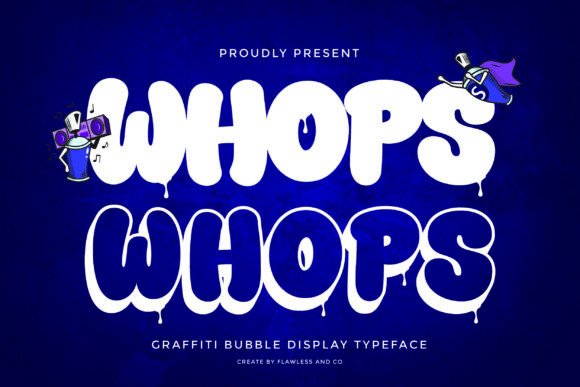
I remember the exact moment I needed a new typeface for my latest lifestyle blog redesign. It wasn't just about making things look pretty; it was about capturing a specific energy that felt authentic to the street culture I wanted to evoke. While scrolling through thousands of options, Whops stood out immediately as a bold graffiti bubble display font that brings the energy of street art into your designs. Its rounded, playful, and dynamic letterforms captured the spirit of urban culture, making it the perfect candidate to transform my static header into something alive and engaging.
Choosing the right Display fonts is often the most exciting yet daunting part of editorial design. You want typography that commands attention without overwhelming the reader's experience. When I first tested Whops, I realized it offered a unique rhythm that balanced chaos with structure. This font isn't just a collection of letters; it is a visual statement designed to elevate content branding, from digital magazines to printable guides. By integrating this creative font into my layout, I found a way to make my publication identity feel fresh, modern, and distinctly human.
How Whops Elevates Blog Headers and Article Titles
When redesigning my blog, the header was the first element that needed to speak to the audience. Whops proved to be an exceptional choice for blog headers because its bubbly, graffiti-inspired style instantly signals creativity and approachability. Unlike standard sans serif fonts that can feel sterile, these Fonts bring a sense of movement and personality that draws the eye immediately. I used the bold weight for the main site title, creating a strong visual anchor that contrasts beautifully with the clean body text below.
The rounded nature of the letterforms ensures that the header feels friendly rather than aggressive, which is crucial for maintaining a welcoming editorial tone. For article titles, Whops adds a layer of excitement that encourages readers to click through. It works particularly well when paired with a simple, readable serif font for the article body, allowing the display font to shine as a decorative accent while the serif handles the long-form reading. This combination creates a sophisticated hierarchy where the Display type grabs attention, but the supporting typography keeps the content accessible.
Using Whops for Ebook Covers and Chapter Openers
One of my most successful projects involved a recipe ebook that required a cover design to pop on mobile screens. Whops provided the perfect solution for this challenge. Its large, impactful shapes remain legible even at small sizes, making it ideal for ebook covers and thumbnail graphics. I applied the font to the main title, letting the graffiti aesthetic suggest a fun, unpretentious cooking experience that matched the recipes inside.
Beyond the cover, I utilized Whops for chapter openers within the PDF. Instead of using generic numbers or plain text, I used the font to introduce each section with a burst of color and style. This approach turned what could have been a dry table of contents into a visually engaging journey. The dynamic letterforms helped break up the flow of text, giving readers' eyes a place to rest while reinforcing the book's theme. For any creator looking to design a premium font asset for their digital products, Whops offers the versatility needed to create a cohesive brand identity across multiple pages.
Integrating Whops into Newsletter Graphics and Social Media
Digital newsletters require a balance between quick readability and visual interest. When I started designing my weekly newsletter graphic, I knew I needed a typeface that could stand out in a crowded inbox. Whops delivered exactly that by bringing the energy of street art into your designs with a level of polish that feels professional yet edgy. The font's ability to capture the spirit of urban culture made it perfect for highlighting key takeaways or special announcements.
I experimented with using Whops for pull quotes and call-out boxes, finding that its playful curves softened the impact of important information without diminishing its importance. This is a common strategy in editorial design: using a Display font to create contrast against more formal elements. When paired with a clean sans serif font for the main newsletter text, the result is a layout that feels curated and intentional. The font's distinct character helps the email feel like a personal message rather than a mass broadcast, increasing engagement rates among subscribers.
Perfect Pairings for Whops in Editorial Layouts
Selecting the right companion font is critical when working with such a distinctive typeface. After testing several options, I found that pairing Whops with a classic serif font created the most harmonious balance. The sharp serifs grounded the bubbly, organic shapes of the graffiti font, preventing the design from feeling too chaotic. For captions, navigation menus, and smaller details, a clean sans serif font worked best, providing a neutral backdrop that let Whops take center stage.
This pairing strategy is essential for maintaining readability in long-form content. While Whops is fantastic for headlines, subtitles, and decorative accents, it is generally not recommended for paragraphs of body text due to its stylized nature. By reserving the font for high-impact areas like logo design, packaging design, and web design headers, you ensure that the typography serves its purpose without causing eye strain. The included styles and alternates in the font file allowed me to fine-tune the look, ensuring that every instance of the Fonts felt unique yet consistent with the overall mood.
Why Whops Works for Printables, Planners, and Digital Downloads
The versatility of Whops extends seamlessly into the world of physical printables and digital downloads. Whether I am designing a wedding guide, a coaching workbook, or a printable planner, this font adds a touch of modern typography that appeals to a wide demographic. The rounded, playful aesthetic makes complex instructions or schedules feel less intimidating and more inviting to use.
For digital downloads, the clarity of the vector-based files ensures that Whops looks crisp on any device, from high-resolution monitors to mobile phones. I recently created a series of social media graphics for a course launch, using Whops to highlight key dates and registration deadlines. The font's ability to capture the spirit of urban culture resonated with the target audience, resulting in higher click-through rates compared to previous campaigns using more traditional typefaces. Checking the commercial font licensing before using the font in client publications or templates is always a wise step, and Whops offers flexible options for creators who need to distribute their work widely.
Maximizing Visual Hierarchy with Whops
Effective editorial design relies heavily on visual hierarchy, guiding the reader's eye through the content in a logical flow. Whops excels at establishing this hierarchy by acting as a natural focal point. When used for section headings or introductory text, it breaks the monotony of standard layouts and re-engages the reader. The font's dynamic letterforms create a sense of momentum, encouraging users to continue scrolling or reading.
In my experience, the key to success is restraint. Using Whops sparingly allows its unique character to shine. I recommend limiting its use to titles, subtitles, and short phrases, while relying on more neutral Fonts for the bulk of the content. This approach ensures that the design remains readable and professional while still retaining that bold, graffiti-inspired edge. Whether you are building a worksheet layout, setting up a newsletter graphic, or designing a magazine cover, Whops provides the tools needed to create a memorable and effective visual experience.
Ultimately, choosing the right typeface is about telling a story. Whops tells a story of creativity, rebellion, and joy. It transforms ordinary layouts into vibrant expressions of identity. For designers, bloggers, and publishers seeking to inject personality into their work, this font is an invaluable asset that bridges the gap between street art aesthetics and polished editorial design.