Sloppy Paint: A Bold Display Font for Rebellious Brand Identities
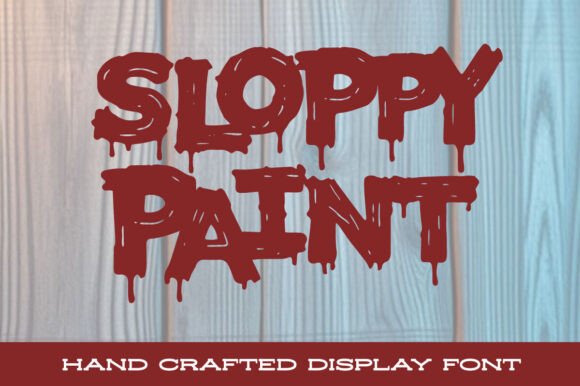
I stared at the blank artboard, cursor blinking in the center of a white void. The client was a boutique skincare line aiming for "earthy luxury with an edge," a contradiction that usually kills my creative flow before I even pick up a tool. I needed something that felt organic but didn’t look cheap. That’s when I dragged Sloppy Paint into the mix. It wasn’t just another brush font; it was a statement. This bold, rebellious display font looks like it was brushed by hand in a wild burst of creativity, and immediately, the mood of the project shifted from sterile to spirited.
In this review, I’m breaking down how Sloppy Paint performed when I stress-tested it across a full brand identity system—from logo drafts to packaging mockups. If you are a graphic designer or brand strategist looking for a typeface that brings raw texture and attitude to your work, here is what you need to know about integrating these Fonts into your next commercial project.
Sloppy Paint as a Logo Design Element for Handmade Brands
When designing a logo, legibility often battles with personality, but Sloppy Paint manages to balance both through sheer visual weight. Each character is thick, rugged, and drenched in texture — with exaggerated brush strokes that give the letters a tactile presence. In my initial logo concepts for a local coffee roaster, I found that the font’s irregular edges prevented the design from feeling too corporate or rigid.
The font excels when used as a primary logotype for brands that want to communicate authenticity and human touch. Because the characters have such distinct, hand-drawn qualities, they naturally draw the eye. However, I learned quickly that this Display font works best on short names. When I tried applying it to longer company descriptions, the visual noise became overwhelming. For a bakery or a handmade shop, using Sloppy Paint for the main wordmark creates instant recognition, provided you pair it with a clean, simple sans serif font for supporting text. The contrast between the chaotic energy of the logo and the orderliness of the subtext creates a professional hierarchy that keeps the design grounded.
Sloppy Paint for Packaging Design and Product Labels
Packaging is where typography meets physical reality, and Sloppy Paint truly shines when rendered in large formats. I tested the font on a series of product labels for a fictional artisanal soap brand. The texture of the font mimicked the look of actual paint applied to cardboard or glass, adding a layer of depth that flat vector fonts often lack. The rugged nature of the glyphs gave the packaging a premium, limited-edition feel.
One critical observation during this phase was how the font interacts with color. The deep, saturated blacks and grays of the brush strokes popped beautifully against muted earth tones, reinforcing the "earthy" vibe the client wanted. However, I had to be careful with placement. On curved surfaces or small bottles, the intricate details of the brushwork could get lost. My advice is to use Sloppy Paint for prominent front-facing elements where the viewer has time to appreciate the detail. It is not a font for fine print ingredients lists; it is a hero asset meant to grab attention on a shelf. When used correctly, it elevates standard retail packaging into something that feels curated and artistic.
Sloppy Paint in Social Media Graphics and Digital Headers
Digital spaces demand quick engagement, and Sloppy Paint delivers impact instantly. I incorporated the font into Instagram story templates and website headers for a creative studio portfolio. The bold, rebellious display font acts as a visual anchor in a feed cluttered with polished, minimalist aesthetics. It stands out because it feels imperfect in a way that resonates with modern audiences who value authenticity over polish.
For web design, I used Sloppy Paint sparingly—only for H1 headers and call-to-action buttons. Its heavy weight ensures it remains readable even at smaller screen sizes, provided it isn’t stretched or distorted. The font’s inherent texture adds character to digital assets without requiring additional graphic overlays. When paired with a modern typography system that includes plenty of negative space, the font allows the content to breathe while still making a strong stylistic statement. It transforms standard social media graphics from generic templates into branded experiences that feel personal and direct.
Font Pairing Strategies for Sloppy Paint Projects
No typeface exists in isolation, and Sloppy Paint is no exception. To prevent your design from becoming visually chaotic, you must pair this creative font with complementary typefaces. In my branding board experiments, I found that a clean, geometric sans serif font was the ideal partner. The simplicity of the sans serif neutralizes the complexity of Sloppy Paint, creating a balanced composition that guides the reader’s eye effectively.
Avoid pairing it with other script fonts or handwritten fonts unless you are highly experienced in typographic contrast. Combining two decorative typefaces often results in a clash that distracts from the message. Instead, let Sloppy Paint be the voice of the brand—the loud, expressive leader—and let your secondary font handle the communication. This strategy ensures that your brand identity remains cohesive and professional, even when using such a distinctive and expressive Display font.
Practical Considerations and Licensing for Commercial Use
Before integrating Sloppy Paint into any client deliverables, it is essential to understand its limitations and licensing requirements. While the font is fantastic for headlines, logos, and packaging, it is not suitable for body text or long-form editorial design. The texture and irregularity of the characters reduce readability at small sizes, making it a poor choice for manuals, websites bodies, or legal disclaimers.
Additionally, always verify the commercial font licensing terms. Using this typeface for merchandise, print-on-demand products, or extensive digital campaigns requires the appropriate license to avoid legal issues. Test the font thoroughly in your specific context—check how it renders in different file formats and ensure the texture holds up in both print and digital mediums. By respecting the font’s strengths and limitations, you can leverage Sloppy Paint to create bold, memorable designs that cut through the noise and connect with your audience on a visceral level.