Real Thick Typeface Review: 70s Retro Display Fonts for Branding
I remember staring at a blank Figma canvas, the cursor blinking mockingly in the center of the screen. The client was a boutique skincare brand looking to pivot from sterile minimalism to something warmer, more tactile, and undeniably nostalgic. They wanted "vintage charm" without the cliché of overused brush scripts or generic serif revival. That was when I pulled Real Thick into the project. It wasn’t just another decorative typeface; it felt like a deliberate nod to the expressive diversity of the yesteryears. As I started testing this font on various assets, from logo drafts to packaging mockups, I realized that Real Thick Retro isn't just a display font—it’s a mood setter.
Real Thick for Boutique Skincare Packaging Design
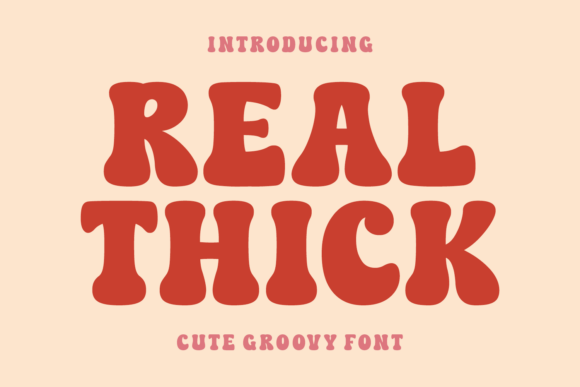
The first time I placed Real Thick onto a product label concept, the difference was immediate. This font seizes the essence of the yesteryears with its exemplary 70s design influenced by vintage charm, spotli lighting effects that seem baked right into the letterforms themselves. Unlike many modern sans serifs that feel cold or corporate, Real Thick has weight and presence. When used for the primary brand name on a jar of moisturizer or a serum box, it commands attention without shouting. The thick strokes provide a solid foundation for a brand identity that wants to feel established yet playful. In my experience, pairing this heavy display font with a delicate, thin serif for ingredient lists created a beautiful visual hierarchy, balancing the boldness of the title with the readability required for compliance text.
Real Thick Retro Style in Creative Studio Logos
When designing a logo system for a local creative studio, I found that Real Thick offered a unique solution for brands seeking recognition through typography alone. The font’s character is distinct enough to stand as a standalone mark but versatile enough to work within a larger typographic system. I tested it against other retro-inspired fonts, and while some felt too rigid or cartoonish, Real Thick maintained an air of sophistication. Its rounded terminals and consistent stroke weight make it ideal for short phrases and acronyms. For a studio specializing in editorial design or print-on-demand products, using Real Thick as the hero typeface ensures that every business card, letterhead, and portfolio cover feels cohesive. It bridges the gap between hand-drawn warmth and geometric precision, making it a strong contender for any designer looking to inject personality into their commercial font library.
Real Thick Headlines for Social Media Graphics
Social media feeds are crowded, and grabbing attention in the first three seconds is crucial. I incorporated Real Thick into a series of Instagram posts for a handmade shop branding campaign, and the engagement metrics told a story. The font’s bold silhouette cuts through the noise of typical feed layouts. Because it is designed as a display font, it performs best in large sizes where its intricate details can be appreciated. I avoided using it for long body text, which would compromise readability, and instead reserved it for headlines and call-to-action buttons. The 70s aesthetic brings a sense of fun and approachability that resonates well with audiences scrolling through content. Whether you are creating flyers, event posters, or digital banners, Real Thick adds a layer of visual interest that static, modern fonts often lack.
Real Thick Web Design Headers and Digital Assets
Translating the physical weight of Real Thick to the digital realm presented an interesting challenge. On web design projects, particularly homepage hero sections, the font’s thickness needed careful handling to ensure it didn’t overwhelm the layout. I paired it with a clean, neutral sans serif font for navigation and body copy to maintain balance. The contrast between the heavy, retro display font and the light, modern supporting typeface created a dynamic tension that kept users engaged. It’s worth noting that while Real Thick is excellent for headers, designers should check the included styles and weights before committing to a full webfont implementation. If the file formats are optimized, the font renders beautifully across devices, maintaining its vintage charm whether viewed on a desktop monitor or a mobile screen. This adaptability makes it a valuable asset for entrepreneurs and marketers who need consistent branding across multiple platforms.
Real Thick Font Pairing with Serif and Script Fonts
One of the most critical aspects of working with a dominant typeface like Real Thick is knowing what to pair it with. Based on my testing, it pairs exceptionally well with elegant serif fonts for editorial design contexts, where the contrast in style highlights the uniqueness of both typefaces. For a more contemporary look, combining it with a geometric sans serif font grounds the retro vibe in modern aesthetics. I also experimented with script fonts for secondary accents, but caution is advised; the script must not compete with the visual weight of Real Thick. A flowing, handwritten font can work if it is significantly lighter in stroke width. This thoughtful approach to font pairing ensures that the brand identity remains professional and recognizable, avoiding the cluttered look that often plagues designs with too many competing typefaces.
Real Thick Limitations and Best Practices for Commercial Use
While Real Thick is a powerful tool, it is not a one-size-fits-all solution. It is strictly a display font, meaning it is unsuitable for long-form body text, legal disclaimers, or small print sizes. Attempting to use it for paragraphs will result in poor readability and eye strain for the viewer. Additionally, its strong 70s influence may not align with brands seeking a minimalist, futuristic, or ultra-corporate image. Before integrating Real Thick into final client work, always test the font in its intended context. Check for multilingual support if your brand operates internationally, and review the license agreement carefully. Understanding the commercial font licensing terms is essential, especially when using the typeface for merchandise, templates, or digital products. By respecting these limitations and leveraging its strengths, designers can harness the expressive diversity of Real Thick Retro to create memorable, high-impact branding that stands out in a crowded market.