Citadel Stencil Typeface Review: Retro-Futuristic Display Font for Editorial Design
The cursor blinked on the blank canvas, a silent challenge that every designer knows too well. We were redesigning the header for a high-end lifestyle newsletter, and the previous typography felt flat, lacking the punch needed to stop a scroller in their tracks. I needed something with authority but also a distinct personality—a typeface that could bridge the gap between vintage nostalgia and modern minimalism. That was when Citadel Stencil caught my eye. It wasn’t just another display font; it was a statement piece that immediately altered the visual hierarchy of the entire layout.
In this review, we will explore how Citadel Stencil functions within real-world editorial projects, from digital magazines to printable workbooks. As a premium font designed for impact, understanding its rhythm and mood is essential before integrating it into your publication identity. This is not merely about aesthetics; it is about using Fonts strategically to guide reader attention and establish a cohesive brand voice.
Citadel Stencil Visual Identity and Mid-Century Modern Appeal
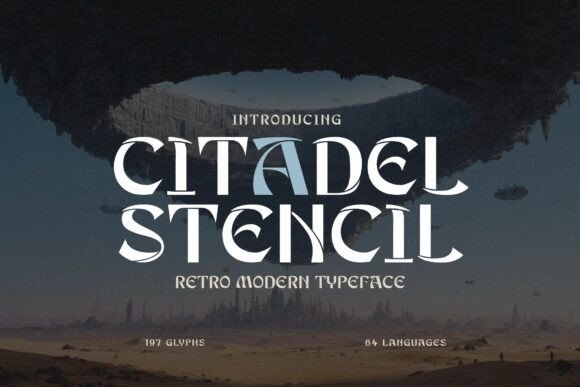
Citadel Stencil is where retro charm meets futuristic edge, a description that perfectly captures its dual nature. When you first load the file into your design software, the character set reveals a bold, geometric structure that feels both industrial and refined. The mid-century modern aesthetics are evident in the clean lines and balanced proportions, while the cutting-edge stencil design adds a layer of complexity that prevents the letters from feeling too rigid or corporate.
This unique visual identity demands attention without shouting. Unlike overly decorative script fonts or heavy-handed handwritten fonts, Citadel Stencil maintains a calm confidence. It works exceptionally well for editorial design because it provides a strong anchor for page layouts. Whether you are creating a cover for a digital magazine or designing the title page for a coaching workbook, this typeface establishes a mood that is professional yet creative. The negative space within the letters—the "stencil" gaps—creates a natural rhythm that keeps the eye moving across headlines, making it an excellent choice for Display text where legibility at large sizes is paramount.
Citadel Stencil for Digital Magazine Covers and Newsletter Headers
One of the most effective ways to test a premium font is by applying it to high-visibility elements like magazine covers or newsletter headers. In our recent project, we used Citadel Stencil for the main headline of a weekly editorial feature. The contrast between the bold, stencil-style glyphs and the surrounding body copy created an immediate visual hierarchy. Readers’ eyes were drawn directly to the title, ensuring that the core message was consumed first.
For web design and social media graphics, this font offers versatility. Because it is a display font, it performs best when used sparingly. We found that setting the headline in Citadel Stencil and pairing it with a clean sans serif font for the subheadings allowed the text to breathe. This combination balances the expressive nature of the stencil design with the readability required for quick scanning on mobile devices. The font’s ability to convey a specific era while remaining relevant makes it ideal for brands looking to evoke a sense of timeless quality. It transforms a simple blog post title into a branded asset, reinforcing the publication’s identity with every view.
Citadel Stencil Application in Printable Planners and Workbooks
Beyond digital screens, Citadel Stencil shines in physical print materials, particularly in the growing market of digital downloads like printable planners, worksheets, and course PDFs. When exporting these assets, the crisp vector lines of the font ensure that the text remains sharp whether viewed on a tablet or printed on high-quality paper. The stencil effect adds a tactile feel to the design, mimicking the look of stamped documents or vintage signage, which can enhance the perceived value of the product.
For creators selling on platforms like Etsy or Shopify, using a distinctive typeface like Citadel Stencil helps differentiate products in a crowded marketplace. Imagine a wedding guide or a recipe ebook where the chapter openers are set in this bold typeface. The visual break it provides helps structure the content, guiding the reader through the material with ease. However, it is crucial to remember that this is a creative font meant for accents and headings. Using it for dense paragraphs would hinder readability, so reserving it for titles, subtitles, and pull quotes is the best practice for maintaining user engagement.
Citadel Stencil Pairing Strategies for Balanced Layouts
No single typeface can do everything, and Citadel Stencil is no exception. To achieve a polished editorial look, thoughtful font pairing is essential. Because Citadel Stencil is visually heavy and complex due to its stencil cuts, it pairs beautifully with lighter, more understated typefaces. A classic serif font works wonderfully for body copy, providing a traditional counterpoint to the modern stencil design. Alternatively, a neutral sans serif font can create a sleek, contemporary aesthetic that lets the Citadel Stencil headlines take center stage.
When building a brand identity around this font, consistency is key. Use Citadel Stencil for all major headings, logo treatments, and promotional banners. Then, rely on your secondary font for navigation menus, captions, and long-form reading. This approach ensures that the reader experiences a clear visual rhythm. It also supports accessibility, as the high contrast between the bold display text and the readable body copy aids comprehension. For those looking to expand their design assets, checking the included styles and alternates in the font file can provide additional options for varying weights and special characters, allowing for more dynamic layouts without introducing conflicting typefaces.
Citadel Stencil Suitability for Commercial Projects and Licensing
Before incorporating Citadel Stencil into any commercial venture, it is vital to review the licensing terms. As a commercial font, it allows for use in client publications, paid newsletters, and digital templates, but restrictions may apply regarding resale as a standalone font file. Always verify if multilingual support is included, especially if your audience spans different regions. The robust character set often found in high-quality display fonts ensures that accented characters render correctly, maintaining the integrity of the design across languages.
Ultimately, Citadel Stencil is a powerful tool for designers who want to inject personality into their work without sacrificing professionalism. Its ability to fuse mid-century charm with futuristic edge makes it a standout choice for logo design, packaging design, and editorial features. By using it strategically alongside complementary typefaces, you can create layouts that are not only visually striking but also highly functional. For bloggers, publishers, and independent creators seeking to elevate their content structure, this typeface offers a reliable way to command attention and build a memorable publication identity.