Phantomia: The Haunting Typeface for Dark Brand Identities
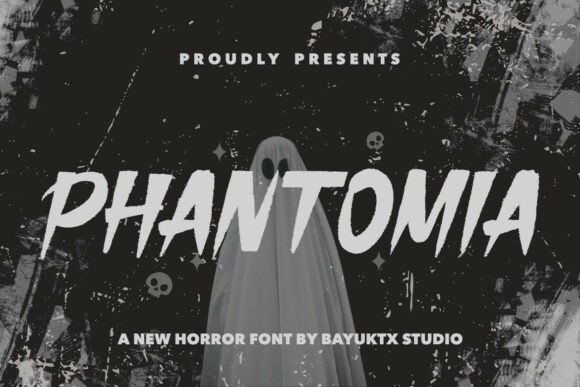
I opened my design software with a blank brand board, staring at the empty canvas where a new identity needed to take shape. My client wanted something that didn't just sit on a page but commanded attention with a sense of dread and mystery. They were launching a boutique horror-themed escape room experience, and standard typefaces felt too safe, too clean, and ultimately, not scary enough. That was when I decided to test Phantomia, a display font designed specifically to capture the essence of fear, mystery, and the supernatural.
The moment I dragged the file into InDesign, the atmosphere shifted. Phantomia Horror Font is a haunting and dramatic typeface that captures the essence of fear, mystery, and the supernatural, and its visual weight immediately told a story before a single word was read. Its sharp edges and eerie curves seemed to lean in closer, creating a chilling atmosphere that perfectly matched the client's vision. This wasn't just another download; it was the foundation for a complete rebranding project that required a serious commitment to a specific mood.
Phantomia Display Fonts for Escape Room Branding and Event Posters
Phantomia shines brightest when applied to large-scale visuals like event posters and venue signage, where its distressed details can truly breathe. For our escape room project, I started by drafting the main logo using the primary weight of this creative font. The jagged serifs and uneven strokes gave the text an organic, decayed look that felt authentic rather than artificially generated. When I placed the font on a mockup of a wooden door sign, the texture seemed to interact with the grain of the wood, enhancing the realism of the scene.
In the world of horror branding, legibility often takes a backseat to atmosphere, but Phantomia manages to balance both surprisingly well. As a display font, it excels at short bursts of text, such as headlines, titles, and taglines. I found that using it for the main event name created an immediate hook, drawing the audience in with its unsettling presence. However, trying to use these same Fonts for long paragraphs would have been a disaster. The distressed nature of the letterforms creates visual noise that becomes exhausting to read over multiple lines. Instead, I reserved Phantomia for the hero section of the website and the top third of every flyer, letting it set the tone while supporting type handled the logistics.
Why Phantomia Works Best for Short-Form Text and Headlines
One of the first things I learned while testing this typeface was that it thrives on impact rather than endurance. The sharp edges and eerie curves are designed to be seen, not scanned. When I experimented with using it for body copy, the text looked cluttered and difficult to decipher, especially at smaller sizes. This confirms that Phantomia is strictly a headline or accent font. It is perfect for product labels, album covers, movie titles, and social media graphics where you need to stop the scroll instantly.
The font's personality is so strong that it dictates the entire hierarchy of the design. By placing Phantomia at the top of the layout, I established a clear focal point that guided the viewer's eye immediately. This is crucial for commercial design assets where the message needs to be understood in seconds. Whether it's a limited-edition merchandise drop or a promotional banner for a haunted attraction, the font ensures the brand is recognized as bold and unapologetic.
Phantomia Horror Font Pairing with Serif and Sans Serif Styles
Using a font this aggressive requires a careful strategy for pairing, as Phantomia cannot stand alone in a full typographic system without overwhelming the user. To create a balanced brand identity, I paired the chaotic energy of this horror font with a clean, modern sans-serif font for secondary information. The contrast between the distorted, distressed details of Phantomia and the crisp, geometric lines of a neutral sans-serif created a sophisticated tension that kept the design looking professional rather than amateurish.
I also tested Phantomia against a classic serif font to see if it could evoke a more gothic, Victorian horror vibe. While the combination had potential, the sheer drama of the sharp edges made the serif look too traditional, creating a clash rather than a harmony. The modern sans-serif approach worked better because it allowed the horror elements to shine without competing with other decorative features. This pairing strategy is essential for designers who want to maintain readability while still delivering a spooky aesthetic.
When designing for digital platforms like Instagram or TikTok, this contrast becomes even more critical. Mobile screens are small, and cluttered text is the enemy of engagement. By using Phantomia only for the headline and a simple sans-serif for the caption, I ensured that the content remained accessible while retaining the brand's dark character. This approach demonstrates how a premium font can be integrated into a versatile workflow without sacrificing usability.
Testing Phantomia on Packaging Design and Product Labels
Beyond digital media, I took the project offline to test how Phantomia performed on physical packaging. We were designing labels for a line of themed candles, and the font needed to look good printed on matte black cardstock. The distressed details held up remarkably well under close inspection, adding a tactile quality to the print that made the product feel expensive and curated.
The sharp edges of the letters caught the light differently depending on the angle, giving the packaging a dynamic, almost shifting appearance. This is a unique trait of high-quality display fonts that often get lost in screen-only previews. Seeing the font on a physical mockup confirmed its versatility for creative studios and entrepreneurs looking to expand into physical goods. The font's ability to convey a narrative through its texture made it an ideal choice for product-based businesses that rely on shelf appeal.
For anyone considering this typeface, I recommend printing out samples in various weights before committing to a full brand rollout. Check how the distressed details render at different sizes and on different materials. Phantomia is a powerful tool, but like any heavy-handed stylistic choice, it requires respect and precision to execute correctly. Once you understand its limits and strengths, it becomes an indispensable asset for creating memorable, atmospheric brand identities.
If you are a graphic designer looking to add a touch of the supernatural to your next project, Phantomia offers a level of character that few other fonts can match. Its ability to capture the essence of fear and mystery makes it a standout choice for anyone willing to push their designs beyond the ordinary. From logo design to editorial layouts, this display font proves that sometimes, the scariest designs are the most effective ones.