The Romeind: A Quirky Display Font for Unique Brand Identity
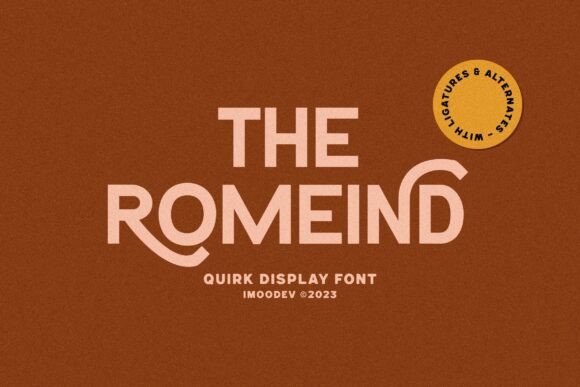
I opened a blank canvas for a local artisan coffee shop, staring at the empty space where their new logo needed to live. The client wanted something that felt warm and handcrafted but still professional enough to sit on a menu board next to a $6 latte. That was when I decided to test The Romeind, a quirky display font with clean and structured regular characters that offer excellent readability, while alternate characters feature flowing and swash extensions that add rhythm and movement. It wasn't just about picking a typeface; it was about finding a visual voice that could tell the story of this small business without screaming for attention.
As a designer working on real brand projects, I often find myself searching for fonts that balance personality with function. Most display fonts are either too chaotic or too stiff, leaving little room for nuance. The Romeind stood out immediately because it offered a unique duality. The standard glyphs provided the stability needed for legible signage, while the swash variants introduced an organic, almost calligraphic flair that made the design feel alive. This is exactly the kind of creative font you need when you want your brand identity to feel bespoke rather than templated.
The Romeind for Coffee Shop Logos and Packaging Design
When applying The Romeind to the coffee shop's packaging, the results were striking. The clean structure of the regular characters ensured that the shop name remained readable even at smaller sizes on cup sleeves and sticker labels. However, it was the alternate characters that truly transformed the design. By swapping in the flowing extensions for specific letters, I created a custom look for the wordmark that felt like it had been drawn by hand. For a boutique selling handmade goods, using these Fonts allows you to create a sense of craftsmanship that mass-produced typefaces simply cannot replicate.
In the mockup phase, I tested the font on various materials, from glossy paper bags to matte cardboard boxes. The swash extensions caught the light beautifully on the packaging, adding a subtle texture to the flat surface. This versatility makes The Romeind ideal for product labels where you need to stand out on a crowded shelf. The font's ability to shift between a structured base and a fluid accent means it can adapt to different parts of a brand system without losing its core character. Whether it's a header on a website or text on a jar lid, the consistency of the design language remains intact.
Creating Visual Hierarchy with Swash Variants
One of the most practical aspects of using The Romeind in a branding project is how it helps establish visual hierarchy naturally. Instead of relying solely on size or weight changes, I used the available alternates to guide the reader's eye. For instance, in the social media graphics we designed for the launch, the main headline utilized the standard characters for clarity, while the subheadings incorporated the swash extensions to add a touch of elegance. This technique creates a dynamic rhythm that keeps the viewer engaged without overwhelming them.
The alternating styles work particularly well in editorial design or long-form content headers. When designing a flyer for a community event, the structured regulars provided a solid foundation for the essential details, while the decorative versions added a celebratory feel to the event title. This approach demonstrates why The Romeind is such a powerful tool for modern typography. It allows designers to inject personality into functional layouts, ensuring that every piece of communication feels intentional and carefully curated.
The Romeind for Wedding Invitations and Elegant Branding
Beyond commercial applications, I also explored how The Romeind could serve more personal and elegant projects. The flowing extensions give it a romantic quality that fits perfectly with wedding invitations or luxury skincare branding. Unlike traditional script fonts that can be difficult to read, the clean backbone of this display font ensures that names and dates remain clear. This balance is crucial for high-end brands where professionalism and aesthetics must coexist seamlessly.
I paired the font with a classic serif typeface for body text, creating a sophisticated contrast that elevated the entire design system. The combination of the structured display font with the timeless elegance of a serif created a harmonious look that felt both modern and timeless. For a creative studio launching a portfolio site, using The Romeind as the primary logo font instantly communicated a sense of artistic flair and attention to detail. The font's unique character set provides endless possibilities for customization, allowing each project to have its own distinct flavor.
Font Pairing Strategies for Professional Results
Choosing the right companion font is essential when working with The Romeind. Since it is a display font with strong personality, it pairs best with neutral, understated typefaces that let it shine. I recommend pairing it with a clean sans-serif for digital interfaces or a classic serif for print materials. This strategy prevents the design from becoming too busy while maintaining a cohesive brand identity. The key is to let the swash extensions do the talking while the supporting text provides the necessary context.
For web design, using The Romeind in hero sections or navigation bars can make a site feel premium and memorable. The font's readability ensures that users can quickly scan information, while the decorative elements add a layer of sophistication that encourages deeper engagement. Whether you are designing a brochure, a business card, or a full marketing campaign, this font offers the flexibility to adapt to various mediums while maintaining its unique charm.
Testing The Romeind Before Finalizing Your Brand Assets
Before committing to a full rebrand, I always recommend testing the font across different scenarios to ensure it meets your needs. With The Romeind, this meant checking how the alternates interacted with various kerning settings and layout constraints. The font comes with a robust set of features, including multiple weights and stylistic sets, which gives designers the freedom to experiment without compromising quality. Checking the included styles and multilingual support early in the process can save time and prevent potential issues down the line.
Commercial licensing is another important consideration for any professional designer. Understanding the terms of use for The Romeind ensures that your branding efforts are protected and compliant. Once the technical details are sorted, the focus shifts to the creative impact. The font's ability to convey a specific mood—from playful and quirky to refined and elegant—makes it a valuable asset for any creative project. By integrating it thoughtfully into your workflow, you can elevate your designs to a level that resonates with your audience and stands the test of time.
Ultimately, the decision to use The Romeind came down to its ability to bridge the gap between structure and style. It proved that a display font doesn't have to sacrifice readability for character. As I finalized the brand materials for the coffee shop, seeing the logo come to life with those flowing extensions confirmed that this was the right choice. For designers looking to add a touch of whimsy and sophistication to their work, The Romeind offers a versatile solution that delivers both visually and functionally.