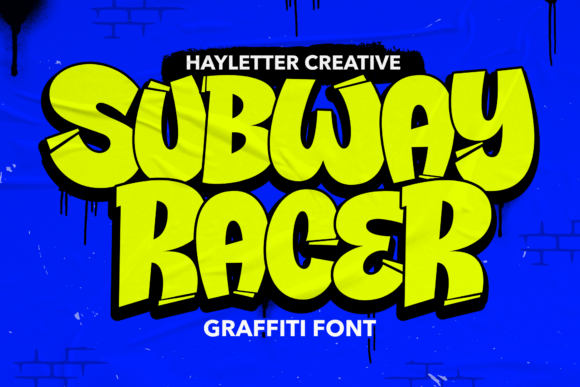
Subway Racer: A Bold Graffiti Typeface for Urban Branding
I remember staring at a blank InDesign file, the cursor blinking on an empty brand board. The client was a local skate shop looking to refresh their identity, and they wanted something that screamed energy without feeling chaotic. I needed a Display font that could handle the weight of a logo while maintaining enough structure to work on packaging. That’s when I pulled up Subway Racer. It wasn’t just another decorative typeface; it felt like a tool built specifically for high-impact visual communication.
As a designer who has spent years testing typefaces in real-world scenarios—from business cards to large-format posters—I’ve learned that not every creative font delivers on its promise. Subway Racer, however, immediately stood out. Its chunky letterforms and spray paint aesthetic capture the raw energy of street art, making it perfect for creating eye-catching designs that demand attention. In this review, I’ll walk you through how this font performed when I applied it to a complete branding project, including logo drafts, social media layouts, and product labels.
Subway Racer as a Logo Font for Streetwear and Skincare Brands
The first test for any typeface is always the logo mark. When I placed Subway Racer on a mockup for a boutique skincare line—yes, even niche beauty brands are leaning into bold, urban aesthetics—the results were striking. The font’s thick strokes and irregular edges gave the brand an immediate sense of attitude. Unlike traditional serif fonts that might feel too corporate or standard sans serif fonts that can look generic, this creative font brought a hand-drawn authenticity to the design assets.
However, using it as a primary logo font requires careful consideration of scale. Because Subway Racer is designed with such strong character, it works best when the text is short. I found that single-word or two-word brand names looked incredibly powerful, but longer taglines started to lose their legibility. The spray paint effect, which gives the letters their textured, gritty look, adds visual noise that can become distracting if overused. For a local restaurant logo system or a handmade shop branding kit, this font excels when used sparingly as an accent rather than a body text solution.
Subway Racer for Packaging Design and Product Labels
Moving from digital screens to physical materials, I tested Subway Racer on a series of packaging mockups. The goal was to create a label for a limited-edition craft beverage. The font’s dynamic nature translated beautifully to print. On a dark background, the white, chunky letterforms popped with a vibrancy that felt both modern and nostalgic. This is where the font truly shines: in editorial design contexts where you need to grab a consumer’s eye within seconds.
One specific observation I made during the packaging phase was how the font interacts with other design elements. The organic, uneven edges of the letters complemented rough-textured paper stocks well, enhancing the tactile feel of the product. However, I had to be cautious with color choices. Because the font itself is visually heavy, pairing it with busy patterns or multiple bright colors created a cluttered effect. The key takeaway here is that Subway Racer demands negative space. When given room to breathe, it acts as a premium font that elevates the perceived value of the product. For online shop owners selling handmade goods, this typeface can help your product images stand out in crowded marketplaces by conveying a sense of artisanal effort and bold personality.
Subway Racer in Web Design and Social Media Graphics
In the digital realm, attention spans are shorter than ever. I integrated Subway Racer into a website header and a series of Instagram posts for a creative studio portfolio. As a headline font, it provided a strong visual hierarchy, instantly guiding the viewer’s eye to the main message. The font’s ability to convey motion and speed made it ideal for promotional banners and event flyers.
When designing social media graphics, consistency is crucial for brand recognition. Using Subway Racer across all platforms helped unify the visual identity. Whether it was a story template or a feed post, the font maintained its distinct character. I also noticed that the font rendered sharply on high-resolution displays, preserving the fine details of the spray paint texture. For content creators and marketers looking to inject some edge into their modern typography systems, this font offers a quick way to shift the tone from professional to playful and energetic. Just ensure that your web design remains accessible; avoid using it for navigation menus or long-form blog posts, as readability suffers at smaller sizes.
Font Pairing and Technical Considerations for Designers
No typeface exists in isolation, and finding the right partner for Subway Racer is essential for a balanced design. Given its bold, informal nature, it pairs exceptionally well with clean, neutral sans serif fonts for body text. The contrast between the structured simplicity of a sans serif and the chaotic energy of the graffiti style creates a sophisticated tension. I avoided pairing it with script fonts or handwritten fonts, as the combination often resulted in visual competition rather than harmony. Both styles compete for attention, leading to a cluttered layout that confuses the audience.
Before committing to Subway Racer for a final client project, I always recommend testing the included styles, alternates, and ligatures. While this particular font family focuses on its core display strength, checking for multilingual support is vital if your brand operates internationally. Additionally, verify the file formats and webfont availability to ensure seamless integration into your workflow. Understanding the technical specs helps prevent headaches during the production phase, whether you are preparing files for offset printing or exporting for digital use.
Final Verdict on Using Subway Racer for Commercial Projects
After putting Subway Racer through its paces across various design mediums, it’s clear that this is a specialized tool. It is not a general-purpose typeface for long paragraphs or formal corporate documents. Instead, it is a powerful asset for designers who need to communicate urgency, creativity, and street-smart vibes. Whether you are building a brand identity for a youth-oriented startup or designing promotional materials for a music festival, this font delivers the impact you need.
For entrepreneurs and small business owners, investing in a quality commercial font like this can elevate your brand perception significantly. It signals that you care about detail and aesthetics. However, always review the commercial font licensing terms before using the font in client work, merchandise, or print-on-demand products. Ensuring you have the proper rights protects your business and respects the creator’s work. If you are looking to add a dose of raw energy to your next project, Subway Racer is a compelling choice that bridges the gap between street culture and professional design.