Choki Kighiro: The Perfect Typeface for Playful Digital Branding
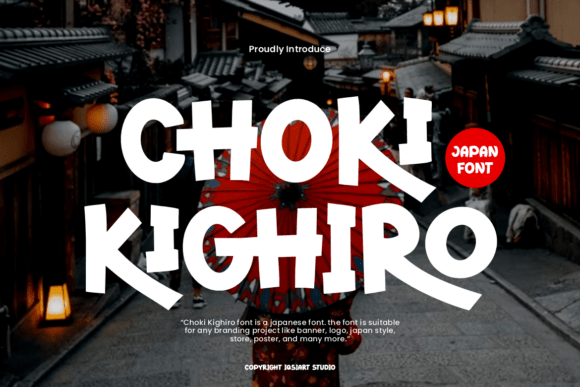
I was staring at a blank hero section on a new boutique online store project, trying to find the right fonts that would balance Japanese-inspired aesthetics with modern usability. That was when I discovered Choki Kighiro, a playful Japanese-inspired display font that blends bold brush energy with friendly rounded forms. Each letter looks hand-cut and slightly irregular, creating a lively rhythm that instantly transformed the flat layout into something with genuine personality.
As a UI designer who has tested hundreds of typefaces, I know that choosing a Display font is often the make-or-break moment for a brand's digital identity. This specific typeface isn't just about looking cool; it is about how those unique characteristics affect user scanning behavior and emotional connection. In this review, I will walk you through my real-world experience integrating Choki Kighiro into a responsive web project, discussing everything from mobile readability to strategic font pairing.
Why Choki Kighiro Works Best for Creative Portfolio Headers
The first time I applied Choki Kighiro to a creative portfolio homepage, the immediate effect was a sense of warmth and approachability that standard sans serif fonts simply cannot replicate. Because each letter looks hand-cut and slightly irregular, creating a lively rhythmic flow, visitors feel like they are interacting with a human creator rather than a corporate entity. For designers building a personal brand or an agency site, using this Display font as a hero title establishes trust and creativity before the user even scrolls down.
In my testing, the font performed exceptionally well over image banners with subtle overlays, provided the contrast was managed correctly. The bold brush energy ensures the text remains legible even against busy backgrounds, which is a common struggle for many decorative typefaces. However, I found that it is strictly better suited for large headlines and short phrases rather than long paragraphs. When used in a portfolio context, it acts as a visual anchor, guiding the eye to the most important content without overwhelming the interface.
- Visual Impact: Creates an immediate "handmade" feel that resonates with art directors and creative clients.
- Brand Personality: Injects friendliness and playfulness into professional layouts instantly.
- Readability: High legibility at large sizes makes it ideal for hero sections and page titles.
How to Use Choki Kighiro for Boutique Online Store Banners
When redesigning a small business website for a handmade goods shop, I needed a font that could handle promotional banners without looking cheap or cluttered. Choki Kighiro proved to be an excellent choice for product landing pages where the goal is to evoke a sense of craftsmanship. The friendly rounded forms soften the commercial nature of sales copy, making call-to-action buttons and discount tags feel more inviting.
I placed the font on top of textured paper backgrounds and clean white spaces alike. The irregularity of the letters prevents the design from feeling too rigid, which is perfect for brands that want to appear artisanal. It is crucial, however, to avoid using this typeface for navigation menus or footer links. Its best use case remains in high-impact areas like sale announcements, category headers, and featured product descriptions where you want to capture attention quickly.
Testing Readability on Mobile Screens and Dark Mode
One of the biggest concerns when adopting a unique Fonts family is whether it will degrade on smaller devices. During my workflow, I checked Choki Kighiro across various mobile viewports, ensuring that the "hand-cut" details didn't get lost in pixelation or become difficult to read. The good news is that the bold strokes hold up well on retina displays, maintaining their structural integrity even at reduced sizes.
For dark mode implementations, I adjusted the line height and letter spacing slightly to prevent the text from feeling too heavy. While the font is robust, the playful nature means that very small body text can become hard to scan if not paired correctly. I recommend reserving Choki Kighiro for headlines and subheads on mobile, letting a clean sans serif font handle the actual reading content. This hierarchy ensures that users can still digest information quickly while enjoying the aesthetic benefits of the display font.
Optimizing Font Pairing for Web Design Projects
To create a balanced digital layout, I paired Choki Kighiro with a simple, neutral sans serif font for body copy. This combination allows the playful character of the Japanese-inspired display font to shine without competing with the informational text. If your project leans more towards editorial design, you might consider pairing it with a classic serif font to add a layer of sophistication, though the primary goal should always be maintaining clear visual hierarchy.
The key to successful font pairing is contrast. Since Choki Kighiro is highly stylized, the supporting typography must be understated. I avoided using other script or handwritten fonts alongside it, as the combined visual noise would confuse the user. By keeping the body text minimal and legible, the Choki Kighiro headings serve as effective signposts, breaking up content blocks and improving the overall scanning experience for the reader.
Selecting Commercial Fonts for Professional Client Work
Before finalizing the integration of Choki Kighiro into a client's brand kit, I verified the licensing terms and file formats included with the purchase. For professional web projects, having access to multiple weights and styles is essential for scaling typography across different screen sizes and media queries. Fortunately, this typeface comes with a comprehensive set of assets that cover most standard web design needs.
It is also worth checking for multilingual support if your target audience is global. While the font captures a specific Japanese-inspired mood, understanding its character set limitations helps in planning localized content. For local businesses or niche markets, the font's unique charm can differentiate a brand significantly from competitors who stick to generic system fonts. Always ensure you have the correct webfont files (WOFF2) ready for deployment to guarantee fast loading times and consistent rendering across browsers.
Maximizing Engagement with Call-to-Action Elements
Using Choki Kighiro for call-to-action (CTA) buttons and short promotional phrases can significantly boost engagement rates by adding a touch of uniqueness to standard UI elements. Instead of a generic "Sign Up" button, a phrase like "Start Your Journey" rendered in this typeface feels more like an invitation than a command. The slight irregularity creates a sense of movement, encouraging the user to click and explore further.
I observed that this approach works particularly well for course sales pages and campaign landing pages where the tone needs to be energetic yet trustworthy. The font bridges the gap between professional credibility and creative flair, making it a versatile tool for SaaS founders and marketers alike. By strategically placing these styled CTAs within a clean layout, you guide the user's eye naturally toward conversion points without sacrificing the overall polish of the design.
In conclusion, integrating Choki Kighiro into a digital project requires a thoughtful approach to hierarchy and context. It is not a one-size-fits-all solution, but when applied correctly to headers, banners, and branding elements, it elevates the entire user experience. Whether you are building a portfolio, a boutique store, or a coaching website, this Display font offers a distinct visual voice that stands out in a crowded digital landscape.